


In The Press
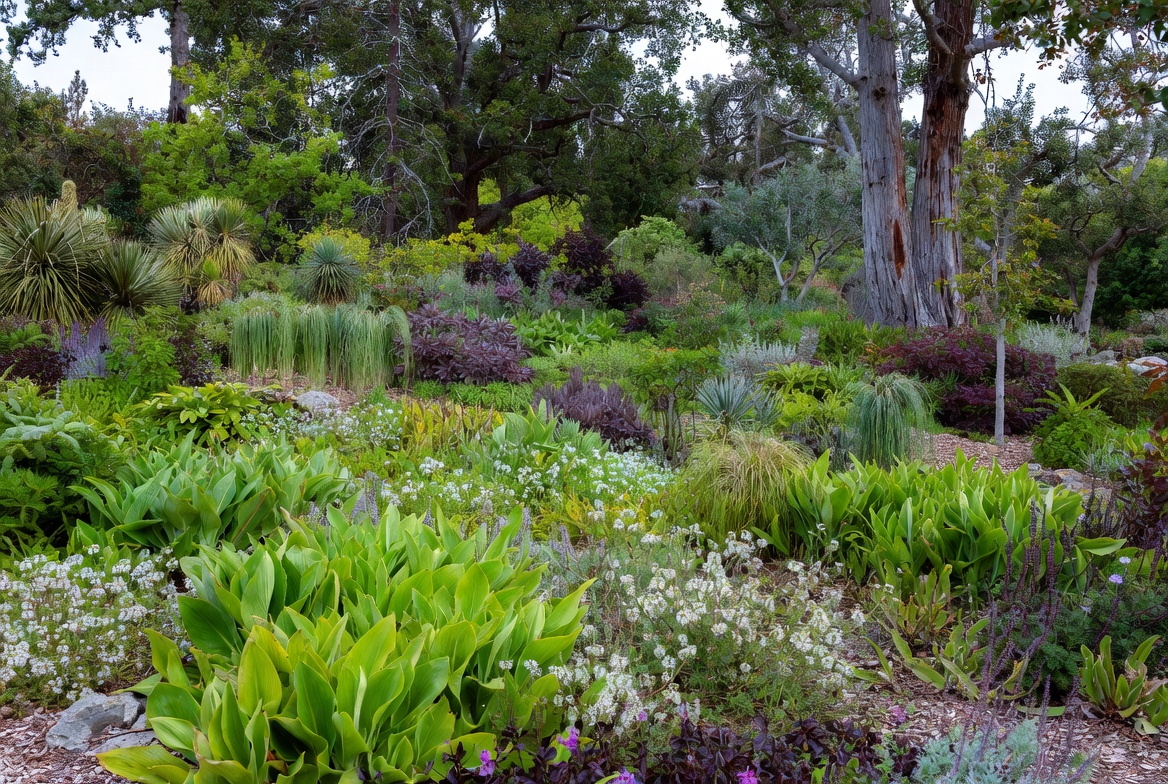
Transform Your Garden with California Native Plants
Bring California's Natural Beauty to Your San Diego Garden with Native Plants
Imagine stepping into your San Diego garden and feeling a connection to the majestic landscapes of California. By introducing native plants, you can create an outdoor sanctuary that celebrates California's diverse ecosystems while promoting sustainability. So if you searched "California native plants San Diego," you're in the right place! Whether you're a seasoned gardener or a curious newbie, embracing California native plants in your garden offers numerous benefits. Could these native wonders be the key to transforming your garden into a thriving ecosystem while saving time and resources?
The Benefits of Using Native Plants in Your San Diego Garden

Incorporating native plants into your Southern California garden is not just a trendy choice; it's a smart and sustainable decision. These plants naturally thrive in the region, making them an ideal fit for your garden. Let's explore why native plants are so well-suited for San Diego.
Why Native Plants Are Ideal for San Diego
Native plants are the unsung heroes of San Diego County's gardens. They've adapted over millennia to the region's unique climate, including the challenges of our coastal areas and occasional droughts. With a native plant garden, you won't need to worry about excessive watering. These plants are accustomed to the local rainfall patterns. Plus, they're naturally resilient against the pests and diseases that might plague non-native species. By choosing native plants, you're not just creating a beautiful garden. You're fostering a thriving ecosystem that supports local wildlife.
Think of California plants, like the coast live oak and the California poppy. These have evolved to flourish in San Diego's diverse environments. These plants have built-in mechanisms to conserve water and withstand the region's occasional dry spells. So, when you opt for a native plant garden, you're not just saving water. You're also reducing your reliance on chemical pesticides and fertilizers. It's a win-win for both you and the environment.
Environmental Advantages of Native Plant Gardens
Native plant gardens are a boon for biodiversity. They create welcoming habitats for pollinators like bees and butterflies, which are vital for a healthy ecosystem. When you plant native species, you're essentially rolling out the red carpet for these essential creatures. Imagine a garden buzzing with life, where pollinators flit from flower to flower, helping to sustain the plants that sustain us.
Cost-Effectiveness and Low Maintenance
Let's face it: gardening can be time-consuming and costly. But native plants offer a refreshing alternative. These plants are inherently low-maintenance, requiring less water and fewer interventions. By reducing your water usage, you're not only saving on utility bills but also conserving a precious resource. Water-wise gardens are especially important in drought-prone areas like San Diego.
Moreover, native plants have fewer pest issues, meaning you'll spend less on pesticides and fertilizers. This translates to more money in your pocket and more time to enjoy your garden. Native gardens often replace thirsty lawns with sustainable options, further cutting down on lawn care costs. In essence, by choosing native plants, you're investing in a garden that's both easy-care and cost-effective.
How to Choose the Right Native Plants for Your Garden

Selecting the right native plants for your garden is a crucial step in creating a thriving and sustainable outdoor space. By understanding your garden's unique conditions, you can make informed choices that ensure your plants flourish.
Assessing Your Garden's Conditions
Before you start planting, take a close look at your garden's soil. Is it sandy, loamy, or clay-like? The soil type will guide your plant selection, as different species have varying soil preferences. For instance, desert mallow thrives in well-draining soils, while California lilac prefers a slightly acidic environment.
Next, observe how much sunlight your garden receives throughout the day. Some native plants, like the sun-loving California poppy, need full sun to thrive. Others, like the shade-tolerant Douglas iris, will do better in partially shaded areas. Understanding your garden's microclimate, including its water and drainage capabilities, is important. This understanding will help you choose native plants that are well-suited to your specific conditions.
Matching Plants to Your Garden's Microclimate - Desert?
Every garden has its own microclimate, influenced by factors like wind patterns and temperature variations. Recognizing these unique conditions allows you to strategically plant your native species. For example, if your garden is in a coastal area, consider choosing plants that can withstand salty breezes, like the hardy sagebrush.
By matching plants to your microclimate, you're enhancing your garden's resilience. California plants, such as the manzanita, are perfect for San Diego's diverse environments. They can handle temperature fluctuations and thrive in various settings, from desert-like conditions to lush coastal areas. With the right plant choices, your garden will be better equipped to handle whatever Mother Nature throws its way.
Consulting Local Resources for Plant Recommendations - CNPS and Other Resources
When it comes to selecting native plants, local resources can be invaluable. San Diego County boasts a wealth of experts and organizations dedicated to native plant conservation. Local nurseries, like West Nursery, offer expert advice and a wide selection of native species. They can help you find the perfect plants for your garden's conditions.
Gardening clubs and regional conservation groups, such as the California Native Plant Society (CNPS), provide valuable planting guides and community support. Online platforms like Calscape , and other plant communities, connect you with fellow native plant enthusiasts. Offering a space to share knowledge and experiences. By tapping into these resources, you'll be well-equipped to create a thriving native plant garden.
Top Native Plants to Consider for San Diego Gardens

Crafting a stunning garden begins with selecting the right plants. San Diego is home to a variety of native species that can transform your outdoor space into a vibrant and sustainable haven.
Popular Shrubs and Bushes - Salvia and Friends
California Lilac is a showstopper in any San Diego garden. With its vibrant blue blooms, it attracts pollinators and adds a splash of color to your landscape. Manzanita is another excellent choice, offering evergreen beauty and supporting local wildlife with its dense foliage and nutritious berries.
Toyon, often called the "Christmas berry," provides festive winter interest with its bright red berries, which are a favorite among birds. Sagebrush, with its aromatic foliage, is a drought-tolerant option that thrives in San Diego's climate. Many types of Salvia, most prominently White Sage, provide a wonderful garden ornamental. These shrubs not only enhance your garden's aesthetics but also promote biodiversity by providing food and shelter for local wildlife.
Beautiful Flowering Plants - California Poppy, California Fuchsia, Penstemon Spectabilis
No native plant garden is complete without the iconic California Poppy, the state flower. Its brilliant orange blooms are a symbol of the state and bring a touch of the wild to your backyard. Monkeyflower is another versatile option, offering a variety of colors and attracting hummingbirds with its tubular blossoms. Take a walk on the wild side, with Penstemon Spectabilis, the most beautiful of the Penstemons.
Yarrow is a hardy perennial that provides long-lasting flowers and medicinal benefits. It's a great addition to any garden, enriching the soil with its ability to fix nitrogen. Lupine, with its striking spikes of blue or purple flowers, supports butterflies and other pollinators. California Fuchsia provides a perennial pop of color to any garden. These flowering plants add beauty and ecological value to your garden.
Versatile Ground Covers
Ground covers are essential for filling in gaps and preventing soil erosion in your garden. Coyote Mint, with its fragrant leaves and purple flowers, spreads easily and attracts pollinators. Beach Strawberry is a hardy ground cover that offers edible fruit and adds a touch of greenery to your landscape.
Creeping Sage is a low-water option that provides erosion control and aromatic foliage. For shady areas, consider Douglas Iris, which adds color and texture with its striking blue or purple blooms. These ground covers not only enhance your garden's appearance but also contribute to its sustainability.
Creating a Sustainable Native Plant Garden

Designing a sustainable garden is about making smart choices that benefit both your plants and the environment. By implementing water-wise landscaping practices, you can create a garden that's both beautiful and eco-friendly.
Water-Wise Landscaping Tips
Efficient watering is key to a sustainable garden. Drip irrigation systems deliver water directly to your plants' roots, minimizing waste and ensuring they get the moisture they need. Rain barrels are another great option, collecting rainwater to reduce reliance on municipal supplies.
Mulching is a simple yet effective technique that conserves moisture and suppresses weeds. By grouping plants with similar water needs, you can optimize your irrigation efforts and create a cohesive garden design. In San Diego, where drought is a concern, these water-wise practices are essential for maintaining a healthy garden.
Soil Preparation and Enrichment
Healthy soil is the foundation of a thriving garden. Composting is a natural way to enrich your soil with essential nutrients. By adding organic matter, you improve soil structure and fertility, creating an environment where native plants can flourish.
Testing your soil's pH can guide you in making necessary amendments. Some native plants prefer slightly acidic or alkaline conditions, so knowing your soil's pH helps you select the right species. Rotating plant placement and adding compost regularly prevents nutrient depletion and keeps your garden vibrant.
Mulching and Composting Techniques
Mulching is a gardener's best friend. It retains moisture, regulates soil temperature, and prevents weed growth. By layering mulch around your plants, you create a protective barrier that promotes healthy root growth.
Organic compost is another valuable tool for enhancing soil health. Regularly turning your compost pile accelerates decomposition and makes nutrients readily available to your plants. By incorporating these techniques into your gardening routine, you're setting the stage for a lush and sustainable native plant garden.
Easy-Care Native Plants Perfect for Beginners

Starting a native plant garden can be an exciting adventure, especially for beginners. By choosing easy-care plants, you can create a beautiful garden with minimal effort.
Low-Maintenance Plant Choices
Deer Grass is a versatile option that requires minimal care and adds texture to landscapes. Its graceful, arching blades create a natural, flowing aesthetic. California Fuchsia is another great choice for beginners. With its vibrant red blooms, it attracts hummingbirds and thrives in sunny spots.
Purple Sage is a resilient plant that grows well in poor soil with little water. Its aromatic foliage adds a delightful scent to your garden. Coast Sunflower provides cheerful yellow blooms and requires minimal effort, making it an ideal choice for those new to gardening.
Hardy Plants for San Diego's Climate
San Diego's climate can be challenging, but certain native plants are well-suited to withstand its conditions. Desert Marigold is a drought-tolerant plant that thrives in poor soil and brings bright yellow flowers to your garden. Baja Fairy Duster is a hardy shrub that attracts pollinators with its fluffy, red blooms.
Chaparral Currant adds seasonal interest with its winter blooms and is a favorite among native plant enthusiasts. Woolly Bluecurls thrive in rocky, dry environments, making them a resilient choice for San Diego gardens. These hardy plants are perfect for creating a low-maintenance and vibrant garden.
Tips for First-Time Native Plant Gardeners
If you're new to native plant gardening, start small. Begin with a few easy-care species and gradually expand your garden as you gain confidence. Observing your plants' needs and adjusting your care routine will help you refine your plant choices over time.
Patience is key when establishing a native plant garden. These plants may take some time to settle in, but once they do, they'll reward you with their resilience and beauty. Learning from local experts and resources, like Kelly Green, can provide valuable guidance and boost your gardening confidence. Ready to get started? Book a consultation with Kelly Green by calling 760 500 2553 or visiting our website.
Inspiring Native Plant Garden Ideas for Every Home

No matter the size of your outdoor space, there's a native plant garden design to suit your needs. From small spaces to family-friendly designs, these ideas will inspire you to create a beautiful and sustainable garden.
Small Space Solutions
If you have limited space, consider vertical gardens to maximize plantings. Container gardens offer flexibility and can be moved to suit your garden's conditions. Utilizing balconies expands your gardening opportunities and allows you to enjoy native plants, even in urban settings.
Raised beds provide an efficient use of small plots, allowing you to grow a variety of native species. By getting creative with your garden design, you can enjoy the benefits of native plants, regardless of your space constraints.
Family-Friendly Garden Designs
Creating a family-friendly garden involves more than just plant selection. Incorporating play areas encourages outdoor family time and fosters a love of nature in children. Planting sensory gardens engages children's senses and enhances their gardening experience.
Designing paths invites exploration and adventure, while including edible plants fosters learning and sustainability. By creating a garden that caters to your family's needs, you're cultivating a space that brings everyone together.
Creative Uses of Native Plants in Urban Settings
Urban environments present unique challenges, but native plants can thrive with a little creativity. Green roofs transform rooftops into vibrant gardens, providing a habitat for wildlife and improving air quality. Native plant walls add greenery to urban settings, enhancing aesthetics and promoting biodiversity.
Pocket gardens utilize small spaces creatively, allowing you to enjoy the benefits of native plants, even in the city. Community gardens build connections and share resources, fostering a sense of community and sustainability. By exploring creative uses of native plants, you're contributing to a greener and more vibrant urban landscape.
Incorporating native plants into your garden is a rewarding endeavor that benefits both you and the environment. By choosing plants that are well-suited to San Diego's climate, you're creating a sustainable and low-maintenance garden. Whether you're a seasoned gardener or just starting out, there's a native plant garden design to suit your needs.
If you're ready to transform your garden into a thriving native plant oasis, Kelly Green can help. Book a consultation by calling 760-500-2553 or filling out the contact form on our website. Our team is eager to assist you in creating a beautiful, sustainable garden that reflects the natural splendor of California.
In summary, native plants are a fantastic choice for San Diego gardens due to their adaptability, environmental benefits, and low-maintenance nature. By understanding your garden's conditions and utilizing local resources, you can select the perfect plants for your space. From enhancing biodiversity to supporting local wildlife, native plants offer a multitude of advantages that go beyond mere aesthetics.
Have you considered how incorporating native plants could revolutionize your gardening experience and contribute to environmental conservation? Share your thoughts and experiences in the comments below, and let's continue the conversation about sustainable gardening practices!








Copyright 2026. Kelly Green Native Landscape. All Rights Reserved.