


Kickstart Your Native Garden Today!
Native Plants 101: Start Your Eco-Friendly Garden Today
Picture this: a garden that practically maintains itself, saves you money, and brings a vibrant ecosystem right to your doorstep. Sounds like a dream? It's not! By choosing native plants for your garden, you're making a sustainable choice that benefits both you and the environment. Native plants are like nature's best-kept secret for creating beautiful, low-maintenance landscapes that thrive with minimal intervention.
Have you ever wondered why some gardens seem to thrive effortlessly while others require constant attention and resources?
Key Takeaways
Embrace native plants for a garden that thrives naturally with minimal resources
Enjoy a vibrant habitat that attracts local wildlife like bees and butterflies
Save money and time with low-maintenance gardening practices
Understand your local ecosystem to choose the best plants for your garden
Design a beautiful, sustainable landscape that complements your existing yard
Why Choose Native Plants for Your Garden?

When you opt for native plants, you're not just planting greenery—you're cultivating a slice of the local ecosystem. Native plants have evolved over thousands of years to flourish in your region's specific climate, soil, and weather patterns. This means they require fewer resources and less maintenance compared to non-native species. Plus, they provide essential habitat for local wildlife, including pollinators like bees and butterflies that keep your garden buzzing with life.
Benefits of Using Native Plants
Native plants are the superheroes of the plant world. They can thrive in your garden with little more than the natural resources available, meaning they need less water, fertilizer, and pesticides. This not only saves you time and effort but also reduces your environmental footprint. Native plants play a crucial role in promoting biodiversity by creating habitats that attract local wildlife, such as native bees and butterflies. These flowering plants are essential for pollination, contributing to a healthy and balanced ecosystem.
Moreover, native plants improve soil health by nurturing a diverse range of organisms that support plant growth. When you choose native plants, you're helping to conserve water resources as these plants are naturally adapted to local rainfall patterns and soil types. In times of drought, native plants are more resilient, maintaining their beauty and function while other plants may struggle.
Cost-Effectiveness and Low Maintenance
Let's face it; gardening can be a costly hobby if you're not careful. But native plants offer a cost-effective solution. Since they require less water and are naturally suited to the local soil conditions, you'll save on utility bills and avoid the need for expensive soil amendments. Native plants don't need frequent fertilization or pest control treatments, which further reduces your gardening expenses.
With native plants, your garden becomes a low-maintenance oasis. These plants have adapted to your local environment over centuries, meaning they can thrive with minimal intervention. You'll find that your garden flourishes with less effort, giving you more time to enjoy its beauty rather than constantly tending to it. Mulching around native plants can help conserve moisture and suppress weeds, further reducing maintenance requirements.
Understanding Your Local Ecosystem

The success of your native garden hinges on your understanding of the local ecosystem. By familiarizing yourself with the soil, climate, and weather patterns in your area, you can make informed decisions about which native plants will thrive in your garden. This knowledge not only helps you create a sustainable landscape but also ensures that your garden remains vibrant and resilient throughout the seasons.
Recognizing Local Soil Types and Conditions
Soil is the foundation of any garden, and understanding your soil type is crucial for selecting the right native plants. A simple soil test can reveal important information about pH levels and nutrient content, guiding your plant choices. Different soil types—sandy, clay, or loamy—support different plant species, so knowing what you're working with is essential.
Native plants are often perfectly suited to the soil naturally found in their region, meaning they can thrive without extensive amendments. By choosing plants that match your soil type, you create a robust garden that requires less intervention. Groundcovers, for example, can help stabilize the soil and prevent erosion, making them an excellent choice for areas prone to rain or wind.
Considering Climate and Weather Patterns
Climate plays a pivotal role in determining which native plants will thrive in your garden. Understanding the local climate, including frost dates and rainfall patterns, helps you plan your planting schedule and maintenance activities. Native plants are well-adapted to withstand local weather extremes, making them resilient additions to your garden.
Seasonal changes dictate the best times for planting and tending to your garden. By aligning your gardening activities with the natural rhythms of the climate, you can reduce stress on your plants and increase their chances of success. For instance, planting native trees during the rainy season can help them establish strong root systems, ensuring their long-term health and vitality.
Selecting the Right Native Plants for Your Area
Research is key when it comes to selecting the right native plants for your garden. Local extension services and native plant societies can provide valuable resources, including plant lists and expert guidance. These organizations often host workshops and events where you can learn more about native gardening practices and connect with other enthusiasts.
Choosing the right plants ensures your garden's success and sustainability. By selecting species that are well-suited to your region, you create a thriving ecosystem that supports local wildlife and enhances the natural beauty of your landscape. Whether you're looking for native perennials, shrubs, or trees, the right choices will make your garden a vibrant and resilient haven.
Researching Native Plant Species

Diving into the world of native plants can feel like embarking on an exciting adventure. With the right resources and guidance, you can discover a variety of species that will thrive in your garden. Local native plant nurseries and experts are invaluable resources for finding the perfect plants for your region and learning how to care for them.
Consulting Local Native Plant Nurseries
Local native plant nurseries are treasure troves for finding plants adapted to your specific climate and soil conditions. The experts at these nurseries can provide insights on plant care and selection, ensuring that you choose species that will thrive in your garden. By purchasing from local nurseries, you also support community businesses and contribute to the local economy.
Many native plant nurseries offer workshops and educational events where you can learn more about native gardening practices. These events provide opportunities to connect with other gardeners and gain hands-on experience with native plants. Knowing about the dangers of invasive plants, the effects of birds and insects, and the benefits of wildflowers will only help you to avoid mistakes. Whether you're a seasoned gardener or a novice, the knowledge and resources available at native plant nurseries can help you create a successful and sustainable garden.
Designing Your Native Garden Landscape

Designing a native garden is both an art and a science. With a well-thought-out layout, you can create a beautiful and functional space that meets the needs of your plants and enhances your yard's overall aesthetic. By considering factors like plant grouping, paths, and features, you can design a garden that is both visually appealing and sustainable.
Planning Your Garden Layout
Native landscaping depends upon a well-planned garden layout is key to maximizing both beauty and functionality. Start by grouping plants with similar water and sunlight needs. This ensures that each plant receives the right conditions to thrive. Consider creating paths and features that guide visitors through your garden, adding interest and structure to the space.
As you plan your garden layout, think about future growth and changes. Native plants can adapt and spread over time, so leave room for them to grow. Use garden plans to visualize the final look and make adjustments as needed. By taking the time to plan your layout, you can create a garden that is both stunning and sustainable.
Integrating Native Plants with Existing Landscape
One of the beauties of native plants is their ability to blend seamlessly with your existing landscape. Careful integration reduces the need for extensive redesigns and ensures that your garden complements existing trees, shrubs, and hardscapes. Native plants can act as natural extensions of your yard, enhancing its overall aesthetics and functionality.
By incorporating native plants into your existing landscape, you create a balanced design that enhances the beauty of your garden. Consider the colors, textures, and forms of your native plants and how they interact with other garden elements. This thoughtful approach not only creates a harmonious landscape but also supports local ecosystems by providing habitats for native wildlife.
Preparing Your Garden Space for Native Planting

Before you start planting, it's crucial to prepare your garden space properly. This sets the foundation for a thriving native garden that requires minimal maintenance. By taking the time to clear garden beds, amend soil, and apply mulch, you create optimal conditions for your native plants to flourish.
Begin by clearing the planting area of weeds and debris. This reduces competition for resources and ensures that your native plants have the best chance of success. Depending on your soil type, you may need to add amendments to improve its fertility and structure. Compost and organic matter can enhance soil health, supporting robust plant growth.
Applying a layer of mulch around your native plants helps retain moisture and suppress weeds, further reducing maintenance needs. Mulching also enhances soil health by promoting beneficial microbial activity. With proper preparation, your garden will be ready to host a vibrant array of native plants that thrive in harmony with the local environment.
Planting Techniques for a Successful Native Garden
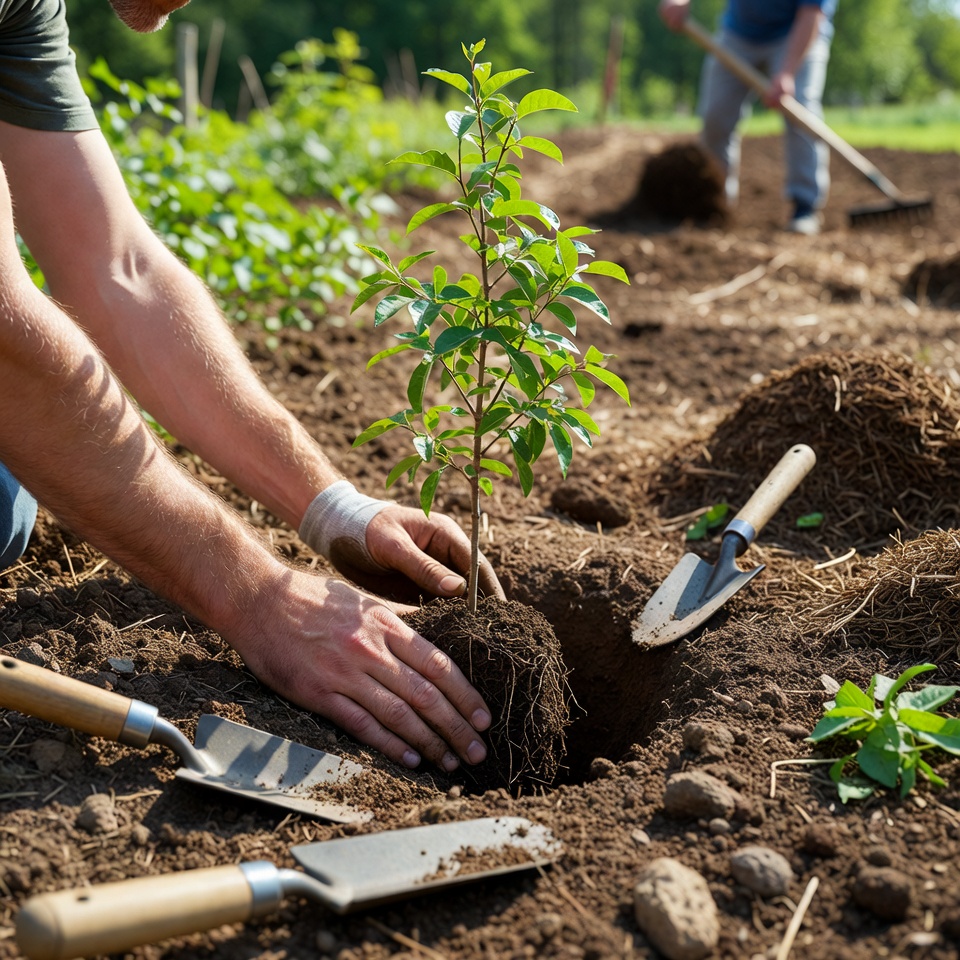
Now that your garden space is prepared, it's time to get planting. Using the right techniques is essential for establishing a successful native garden. From choosing the right planting season to ensuring proper spacing and watering, these practices set your garden up for long-term success.
Planting in the right season is crucial for giving your native plants the best start. Fall is often the ideal time, as it allows plants to establish roots before the heat of summer arrives. When planting, ensure adequate spacing between plants to allow room for growth and spread. This prevents overcrowding and competition for resources.
Watering new plants thoroughly is essential for establishing strong root systems. While native plants require less water than non-native species, they still need consistent moisture during their initial establishment phase. Regular monitoring and care support your garden's long-term success, ensuring that your native plants continue to thrive and contribute to a vibrant ecosystem.
By following these guidelines, you're on your way to creating a stunning, eco-friendly garden that benefits both you and the environment. If you're ready to dive deeper into native gardening or want personalized guidance, consider reaching out to Kelly Green for a consultation. Book online or call 760-500-2553 to start your journey towards a sustainable garden today.
Summary
Creating a native garden is a rewarding journey that connects you with the local ecosystem and offers numerous benefits. By choosing native plants, understanding your local environment, and employing smart gardening techniques, you set the stage for a beautiful, low-maintenance landscape. So, are you ready to transform your yard into a thriving haven for local wildlife and vibrant native plants? Let us know your thoughts and experiences in the comments below!
